Expert Tips for Navigating Fintech Security Concerns


In today's rapidly evolving digital landscape, fintech companies are at the forefront of innovation, transforming the way we manage financial transactions. However, with great innovation comes significant security concerns. Navigating these concerns is crucial for fintech companies to maintain trust and ensure the safety of their users' data.

Understanding the Importance of Cybersecurity in Fintech
Cybersecurity is a top priority for any fintech company. As financial services become increasingly digitized, the risk of cyberattacks grows. Hackers often target fintech platforms due to the sensitive nature of the data they handle. Therefore, it is essential for fintech companies to implement robust security measures to protect their users' information.
Effective cybersecurity not only protects user data but also builds trust and credibility. When customers feel secure using a fintech service, they are more likely to engage with it and recommend it to others. This trust is a vital component of any successful fintech business model.
Implementing Strong Authentication Methods
One fundamental way to enhance security is by implementing strong authentication methods. Two-factor authentication (2FA) and biometric verification are excellent choices for fintech platforms. These methods add an additional layer of security, making it more difficult for unauthorized users to gain access to sensitive data.
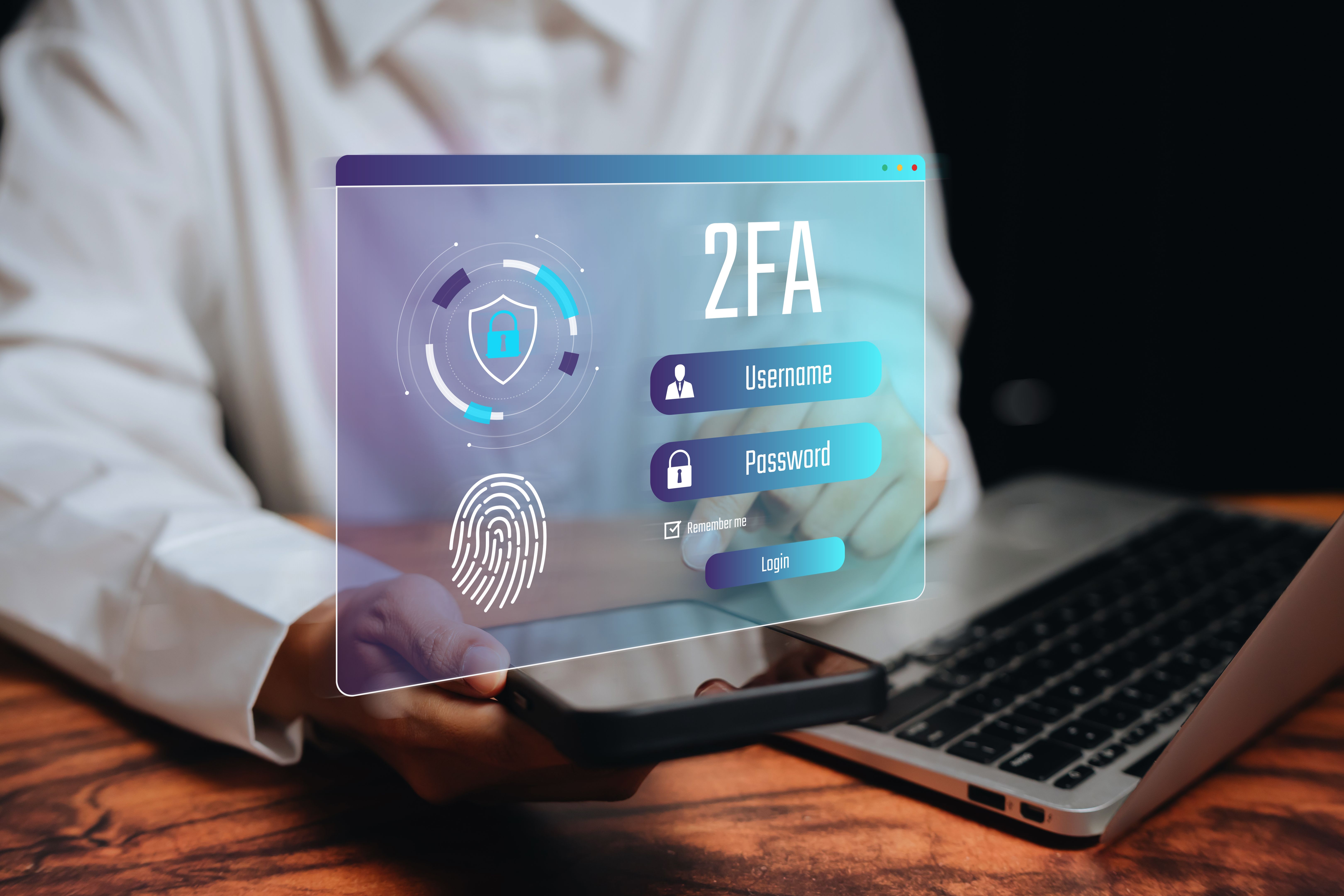
By requiring users to provide two or more verification factors, fintech companies can significantly reduce the risk of unauthorized access. Biometric verification, such as fingerprint scanning or facial recognition, offers a seamless user experience while ensuring high security levels.
Data Encryption and Secure Communication
Data encryption is another critical aspect of fintech security. It ensures that sensitive information is encoded and only accessible to authorized individuals. Using end-to-end encryption and secure communication protocols, fintech companies can protect data both in transit and at rest.
Additionally, regular audits and security assessments help identify vulnerabilities and ensure that encryption standards are up to date. Staying ahead of potential threats requires a proactive approach to cybersecurity.
Compliance with Regulations
Regulatory compliance is a non-negotiable aspect of fintech security. Different regions have specific regulations, such as GDPR in Europe or CCPA in California, which govern how user data should be handled. Fintech companies must ensure they comply with these regulations to avoid legal repercussions and maintain user trust.
By staying informed about changes in regulations and adjusting security policies accordingly, fintech companies can demonstrate their commitment to user privacy and security.
Educating Users About Security Best Practices
Finally, educating users about security best practices is essential. Many security breaches occur due to human error, such as falling for phishing scams or using weak passwords. By providing users with the necessary knowledge and tools, fintech companies can empower them to protect their own data.

Creating informative content, such as blogs, webinars, or tutorials, can help users stay informed and vigilant. Encouraging users to regularly update their software and use strong, unique passwords can go a long way in enhancing overall security.
In conclusion, navigating fintech security concerns requires a comprehensive approach that encompasses strong authentication, data encryption, regulatory compliance, and user education. By implementing these expert tips, fintech companies can protect their users' data and foster a secure, trustworthy environment.