Comparing Traditional Banks to Fintech Solutions


Understanding Traditional Banks
Traditional banks have long been the cornerstone of financial services, offering a wide range of products like savings accounts, loans, and credit cards. These institutions are known for their physical branches, allowing customers to have face-to-face interactions and personalized services. However, this conventional approach often comes with higher fees and lengthy processing times.

Key Features of Traditional Banks
Traditional banks are renowned for their stability and trust. They provide a level of security backed by years of experience and regulatory compliance. Some of the key features include:
- Personalized customer service through branch visits
- Comprehensive product offerings
- Established reputation and reliability
The Rise of Fintech Solutions
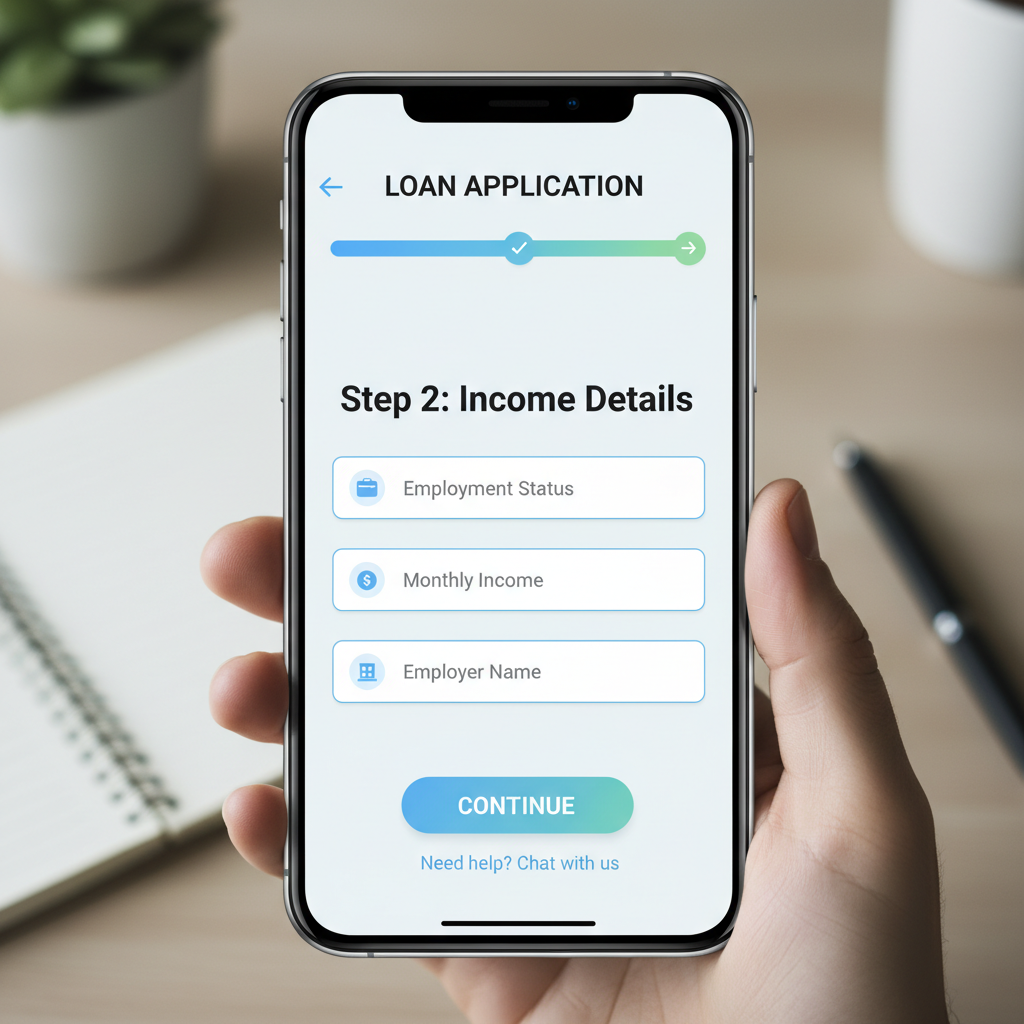
In contrast, fintech solutions have emerged as a disruptive force, leveraging technology to offer innovative financial services. These digital platforms focus on convenience and efficiency, often providing lower fees and faster transactions. Fintech companies are reshaping how people manage their finances, catering to a tech-savvy audience that values speed and accessibility.
Advantages of Fintech Solutions
Fintech solutions offer numerous advantages over traditional banking, including:
- Lower Fees: Many fintech platforms operate with reduced overhead, allowing them to offer services at a fraction of the cost.
- Enhanced Accessibility: With mobile apps and online platforms, users can access services 24/7 from anywhere in the world.
- Innovative Features: Fintech companies often introduce cutting-edge technologies like AI-driven analytics and blockchain.
Comparing Customer Experience
When it comes to customer experience, traditional banks and fintech solutions offer distinct benefits. Traditional banks excel in providing personalized service through physical interactions, while fintech companies prioritize user-friendly digital experiences. Customers seeking in-person advice might prefer traditional banks, whereas those valuing convenience and speed may lean towards fintech.

Security and Trust Concerns
Security remains a critical concern for both traditional banks and fintech solutions. Traditional banks have the advantage of established trust and regulatory oversight. Conversely, fintech companies focus on digital security measures, employing advanced encryption and authentication protocols to protect user data. Customers should consider both options' security practices when making a choice.
Making the Right Choice
Choosing between traditional banks and fintech solutions depends largely on individual needs and preferences. Those who appreciate face-to-face interactions and a wide range of services might find traditional banks more suitable. On the other hand, tech-savvy individuals seeking cost-effective and efficient services might prefer fintech solutions. Ultimately, the decision should align with one's financial goals and lifestyle.

As the financial landscape continues to evolve, the lines between traditional banks and fintech solutions may blur, offering even more options for consumers. Understanding the strengths and limitations of each can help individuals make informed decisions, ensuring they choose the best financial partner for their needs.