Comparing Traditional Banking vs. Fintech: What’s Right for Your Business?


In today’s rapidly evolving financial landscape, businesses face a critical decision: choosing between traditional banking and fintech solutions. Both options offer distinct advantages and challenges, making it essential for businesses to understand their unique needs before deciding.

Understanding Traditional Banking
Traditional banks have been the cornerstone of financial transactions for centuries. They provide a wide range of services, including loans, savings accounts, and investment advice. One of their significant advantages is the trust and security they have built over time. Many businesses rely on established relationships with banks to access credit and financial services.
However, traditional banks often come with drawbacks such as slower processes and higher fees. For businesses that require quick decisions and flexible solutions, these limitations can be a significant hurdle.
Benefits of Traditional Banking
- Trust and Reliability: Long-standing reputation and security.
- Comprehensive Services: A broad spectrum of financial products.
- Personal Relationships: Dedicated account managers and personalized service.
The Rise of Fintech
Fintech, short for financial technology, has revolutionized the way businesses interact with financial services. By leveraging technology, fintech companies offer innovative solutions that are often more agile and cost-effective compared to traditional banks. Services like peer-to-peer lending, digital wallets, and blockchain technology are just a few examples of what fintech provides.
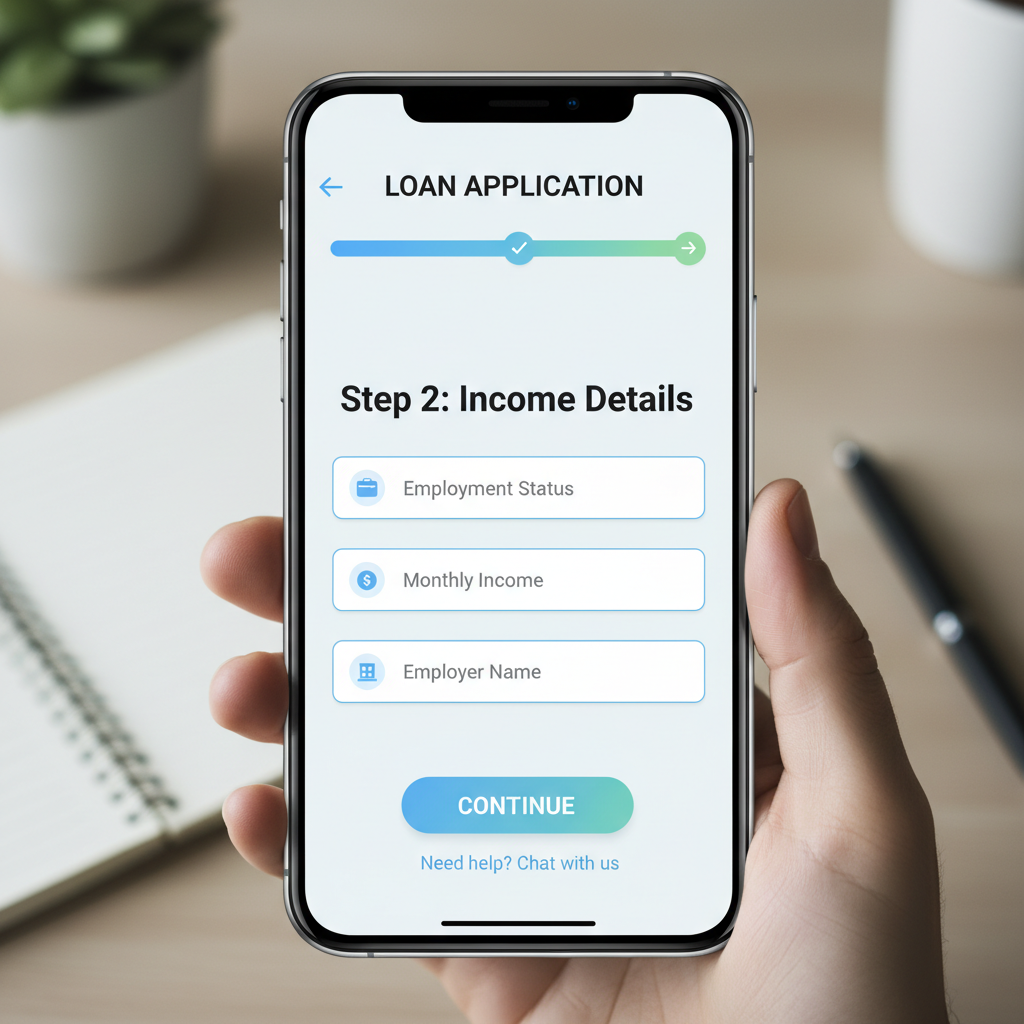
These solutions are particularly appealing to startups and small businesses that need quick access to capital without the rigid requirements of traditional banks.
Advantages of Fintech Solutions
- Speed and Efficiency: Fast application processes and approvals.
- Cost-Effective: Lower fees and competitive rates.
- Innovative Features: Access to cutting-edge technology and financial tools.
Challenges to Consider
While fintech offers numerous advantages, it is not without its challenges. Security concerns and regulatory issues are significant considerations. Fintech companies must adhere to strict regulations to ensure the safety of their users’ data and funds.

Traditional banks, in contrast, have established frameworks for compliance and risk management, which can offer peace of mind despite their slower processes.
Making the Right Choice for Your Business
When deciding between traditional banking and fintech, businesses should assess their specific needs. Consider the following factors:
- Business Size: Larger enterprises might benefit from the comprehensive services of traditional banks, while smaller businesses might prefer the agility of fintech.
- Financial Needs: Evaluate whether your business requires quick access to funds or extensive financial planning.
- Technology Adoption: Determine your comfort level with digital solutions and new technologies.
Ultimately, the choice between traditional banking and fintech depends on balancing the benefits and limitations of each option in relation to your business’s unique circumstances. By understanding both avenues, you can align your financial strategy with your business goals.